Most "waterproof" makeup fails the moment real life happens.
You sweat through a workout. You take a dip at the beach. You work a double shift. And suddenly your carefully applied look is halfway down your face.
The problem usually isn't that waterproof makeup doesn't exist. It's that most routines aren't built with water resistance in mind from start to finish.
Here's how to actually do it right.
What "Water-Resistant" Actually Means
True water-resistant makeup is formulated to repel water rather than absorb it. That means the pigment and formula are designed to stay bonded to skin even when wet — not just sit on top and hope for the best.
The difference shows up fast:
- Regular makeup + sweat = streaks and fading within hours
- Water-resistant formula + sweat = stays put through the day
But formula alone isn't enough. Application technique matters just as much.
How to Build a Waterproof Makeup Routine
Step 1: Start With a Clean, Dry Base
Water-resistant formulas grip best to clean, prepped skin. If you have oily skin, use a mattifying primer or let your moisturizer fully absorb before applying anything else.
Excess oil on the surface is the #1 reason even water-resistant makeup slides off.
Step 2: Layer in the Right Order
For a full water-resistant routine, order matters:
- Primer (if using)
- Foundation or tinted moisturizer
- Concealer
- Setting powder
- Detail products — brows, blush, freckles — last
Applying detail products like faux freckles after your base gives them a stable surface to grip. They stay more defined and are less likely to move.
Step 3: Use Water-Resistant Formulas for Every Detail Product
Your base can be perfect, but if your brow gel, blush, or freckle pen isn't water-resistant, those are the first things to go.
Our water-resistant line is built for exactly this:
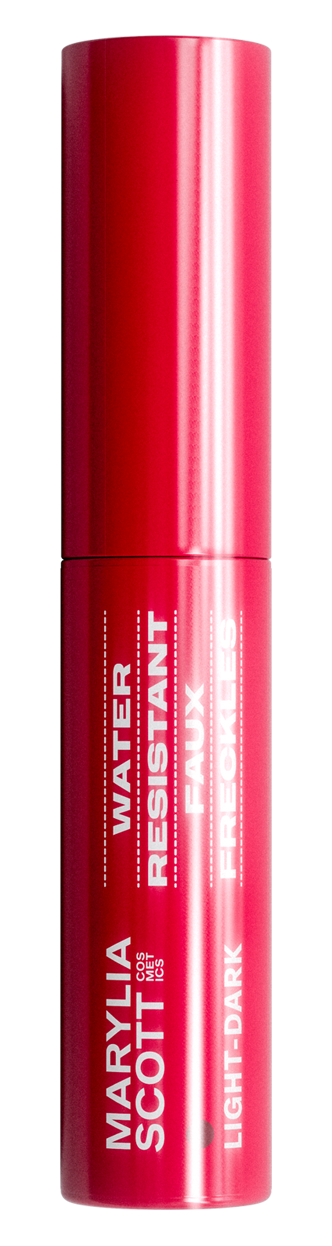
- Spot On Faux Freckle Pen — water-resistant freckles that stay put through sweat and swimming. Dot onto your fingertip first, then press lightly onto skin. A few dots go a long way.
- Arch Nemesis Brow Gel — keeps brows defined even when you're dripping.
- Glush — our blush formula that doesn't budge.
Step 4: Set Everything
A light dusting of setting powder locks in your base. For extra hold, follow with a setting spray — this is especially important if you're going to be in and out of water.
Step 5: Let Everything Fully Set Before Getting Wet
Give your makeup 5–10 minutes to fully bond to skin before swimming or sweating. Rushing this step is the most common reason water-resistant makeup still fails.
Who This Routine Is Built For
This isn't just a beach day routine. It's for anyone whose life doesn't pause for their makeup:
- 🏊 Pool and beach days — in and out of the water all day
- 🧖 Oily skin — foundation first, freckles last, everything stays
- 👩⚕️ Nurses and healthcare workers — 12-hour shifts, masks, and movement
- 🍽️ Waitresses and hospitality workers — on your feet in the heat all day
- 🏃 Anyone sweating — workouts, outdoor events, summer festivals
- ✈️ Travelers — humidity, long days, and no time to touch up
Shop the Water-Resistant Line
We built our formulas around one idea: your makeup should keep up with your life, not the other way around.
- Water-Resistant Bundle — everything you need for a full water-resistant routine, bundled together
- Vacation Bundle — the perfect travel-ready kit for pool days, beach days, and everything in between
- BYB Island Proof Bundle — build your own island-proof routine with our water-resistant heroes
- Spot On Faux Freckle Pen — water-resistant faux freckles that look real and stay real
FAQs
What's the best waterproof makeup for oily skin?
Start with a mattifying primer, apply foundation before any detail products, and use water-resistant formulas for everything — especially brows, blush, and freckles, which tend to fade first.
Can you wear faux freckles swimming?
Yes — if the formula is water-resistant. Spot On is specifically designed to hold up through water and sweat. Apply after foundation, let set for a few minutes, then go.
How do I make waterproof makeup last longer?
Layer in the right order (base first, details last), let each product fully set before the next, and finish with a setting spray. Give everything 5–10 minutes before swimming or heavy sweating.
Does waterproof makeup work in humidity?
Water-resistant formulas perform significantly better in humidity than standard makeup. The key is a clean, dry base and proper layering — humidity affects the surface, not the bond between formula and skin.